A Practical Roadmap for Safer Aerosol Recycling in South Africa
As packaging manufacturers, brand owners, and retailers invest heavily in smart labelling, traceability, and advanced barcoding technologies, it is easy to focus solely on what is printed on the outside of a pack. Yet the material beneath that label matters just as much.
Because aluminium and steel protect products through demanding supply chains and retain significant economic value long after they are emptied, metal packaging is a cornerstone of South Africa’s transition toward a circular economy.
According to Dr Kishan Singh, CEO of MetPac-SA (South Africa’s Producer Responsibility Organisation for the metal packaging industry), empty cans, trays, and closures should never be viewed as waste.
“Metal packaging has an important advantage in that the material itself retains significant economic and resource value after use,” says Dr Singh. “Whether we are talking about a beverage can, food can, aerosol, closure or aluminium tray, the package can become a valuable feedstock for another manufacturing process rather than being lost to landfill.”
Two Metals, Five Stages of Renewal
Metal packaging is primarily made from two distinct material groups: aluminium and tinplate (ferrous steel). While both are infinitely recyclable, they enter separate remelting streams and must be properly separated during sorting.Regardless of the metal, the recycling journey follows five essential stages:
Collection
Sorting
Processing
Remelting
Manufacturing into new products
Aluminium: A High-Value Secondary Raw Material
The aluminium packaging stream reaches far beyond standard soda cans. It also includes aerosols, foil packaging and trays, wine bottle caps, pharmaceutical collapsible tubes, and coffee pods.
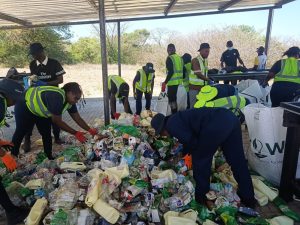
Once discarded, these items enter the recovery chain through waste pickers, collection programmes, and buy-back centres. After aggregation and sorting, non-metal components and contaminants are stripped away, and the clean scrap is sent to specialised remelting facilities to be cast into aluminium ingots or slabs. Depending on the grade, this recycled aluminium is rolled into sheet for new beverage cans or used to manufacture entirely new aluminium products.
Infinite Potential: Aluminium can be recycled repeatedly without losing its inherent material properties.
Energy Savings: Recycling aluminium requires substantially less energy than producing virgin metal from raw ore,cutting both resource depletion and environmental impact.
Steel: Built for Efficient Magnetic Sorting
The ferrous packaging stream covers food cans, general-line cans, paint and polish tins, caps and closures, and steel aerosols.
Because steel is ferrous, it holds a major practical advantage in material recovery facilities: magnets can quickly and efficiently separate steel from aluminium and other waste streams.
Once recovered, cleaned, and prepared as scrap, steel packaging is transported to steelmaking facilities to be remelted alongside other ferrous scrap. The resulting steel is used in construction products like reinforcing bar (rebar) and structural steel—and, where market demand and quality standards align, can even go back into manufacturing new steel sheet and packaging.
Designing for the End-of-Life Journey
For Dr Singh, effective recovery starts long before a product reaches a waste picker or sorting belt. Packaging design and recycling infrastructure must work hand in hand.
“Labelling, coding and branding technologies are essential to the modern packaging industry, but we also need to keep the end-of-life journey of the complete pack firmly in mind,” Dr Singh explains. “Every component of a packaging system should support, rather than unnecessarily complicate, effective recovery, sorting and recycling.”
A Shared Value Chain Responsibility
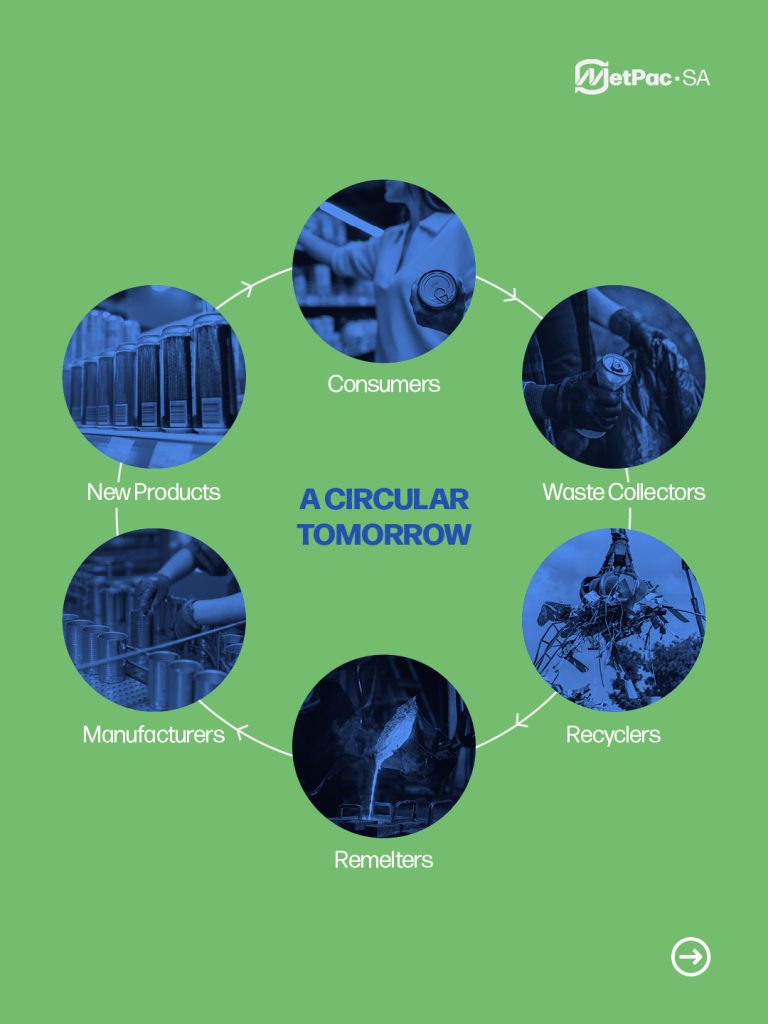
MetPac-SA emphasises that closing the loop cannot fall on recyclers alone—it requires active participation across the entire value chain:
Consumers and waste pickers recover the packaging after use.
Collectors and buy-back centres aggregate the materials.
Recyclers sort and process the scrap.
Remelters convert that scrap back into usable metal ingots and slabs.
Manufacturers close the loop by creating demand and using recovered metal in new products.
By keeping aluminium and steel circulating through the economy, South Africa reduces its reliance on virgin raw materials, boosts resource efficiency, and diverts valuable metals away from landfills.
“The future of packaging will not only be about what we place on the shelf or what information we communicate through a label or barcode,” Dr Singh concludes. “We also have to consider what happens to that package once the consumer is finished with it. Effective packaging needs to perform throughout its entire life cycle.”