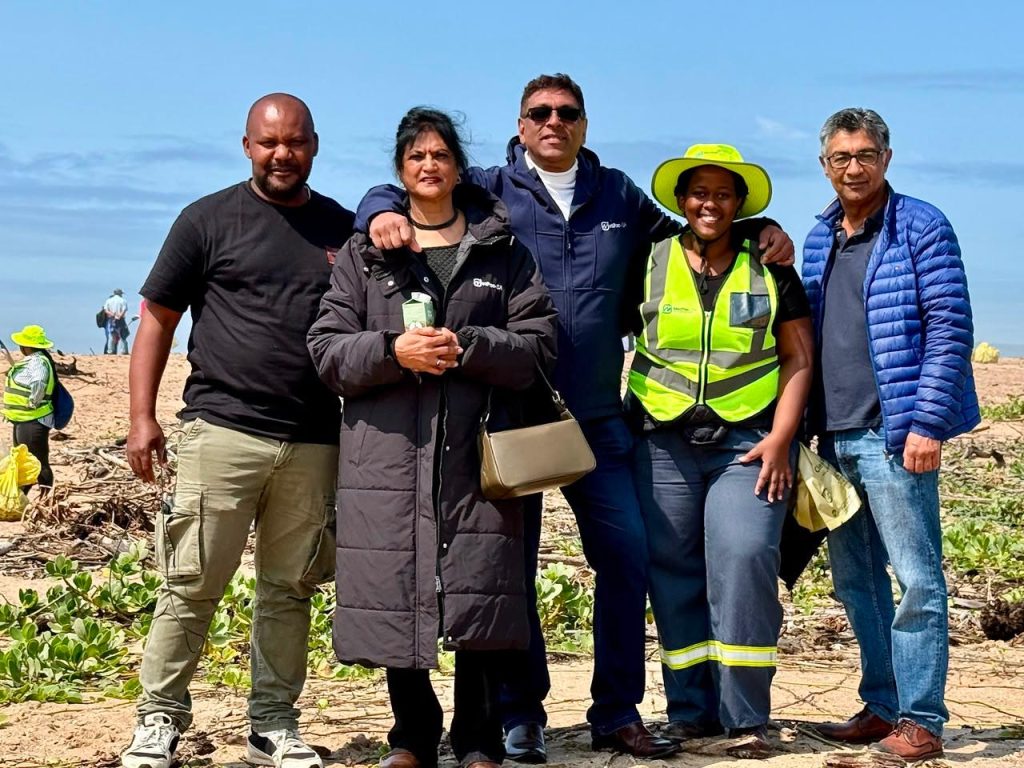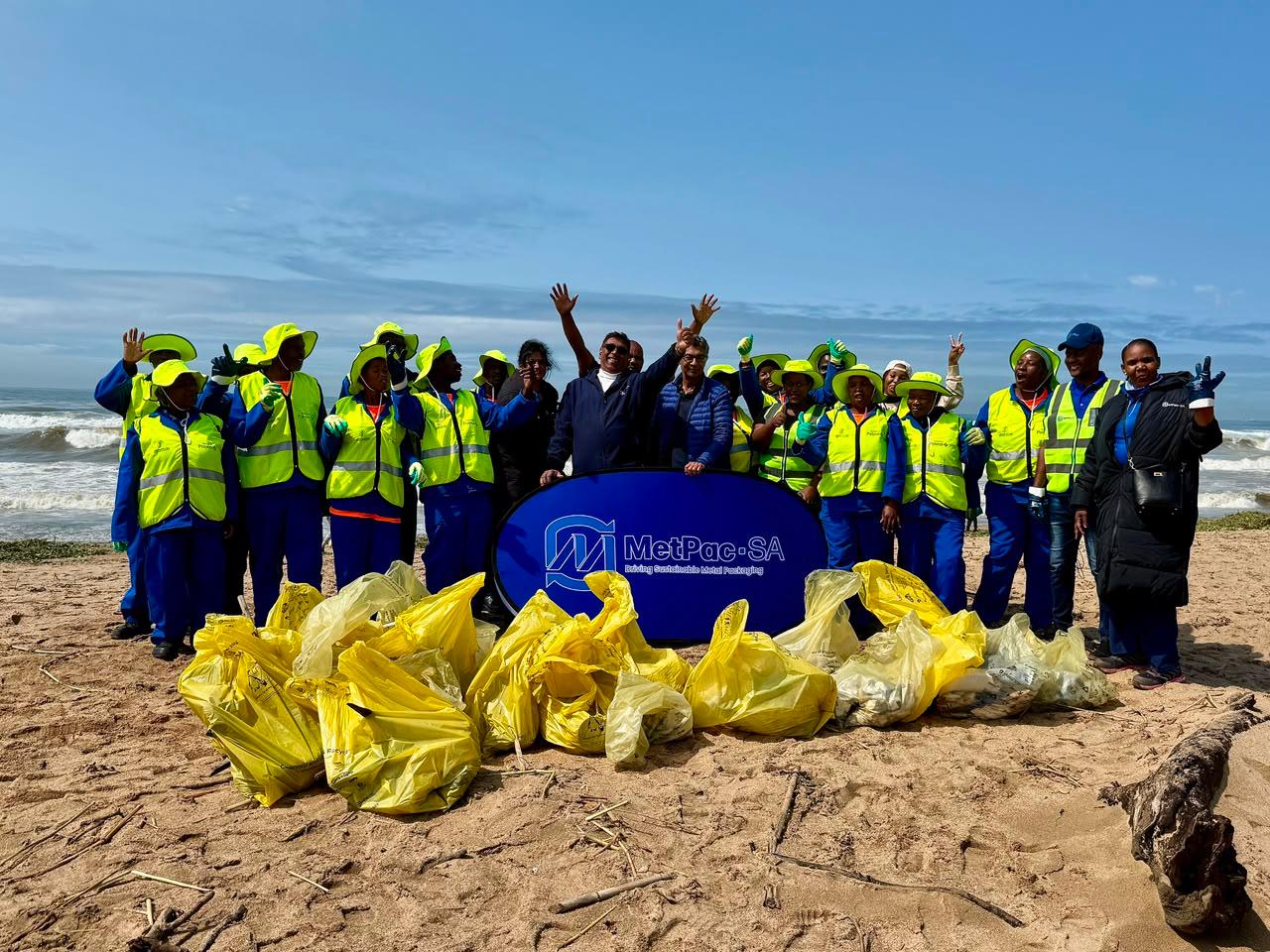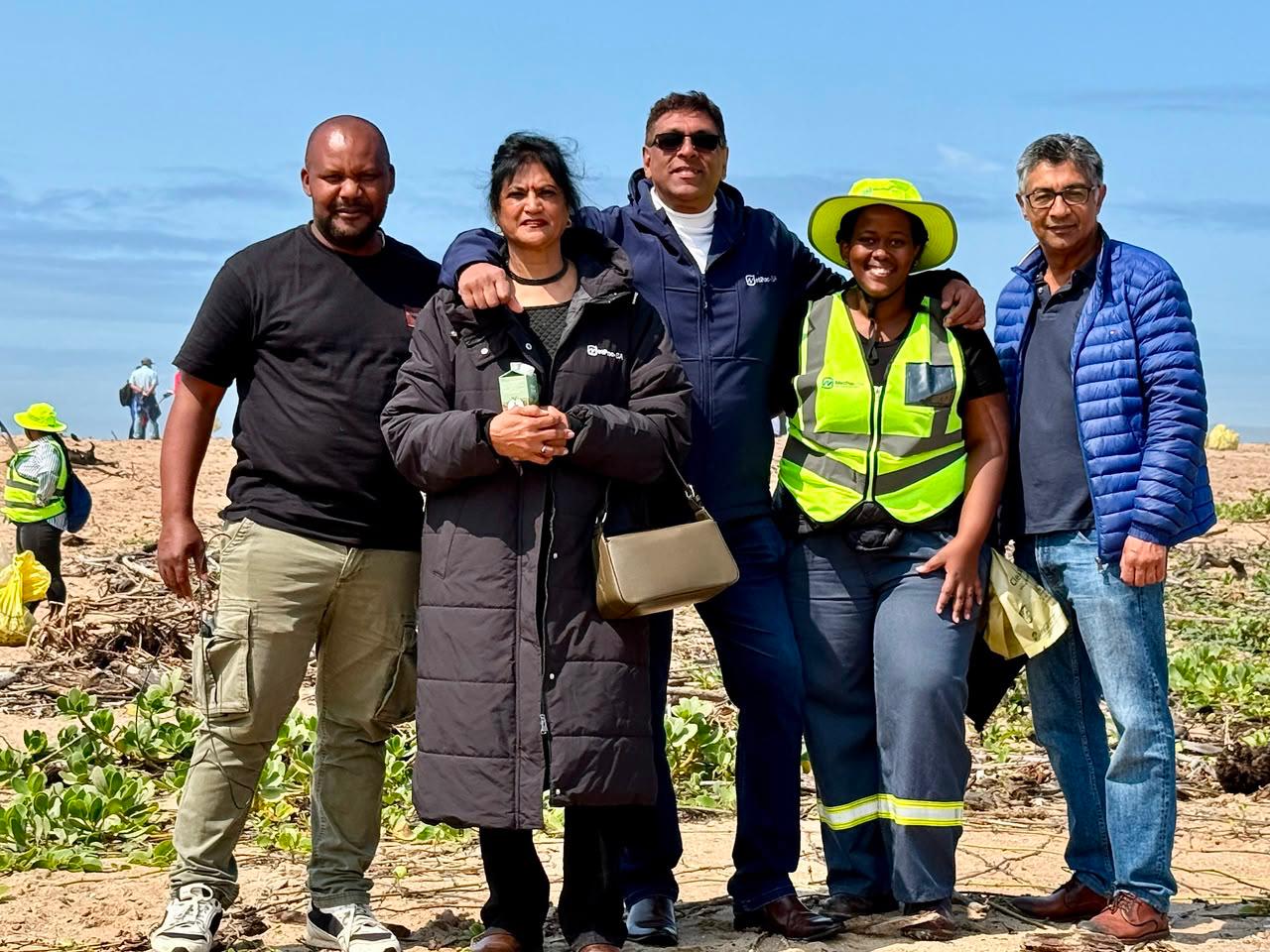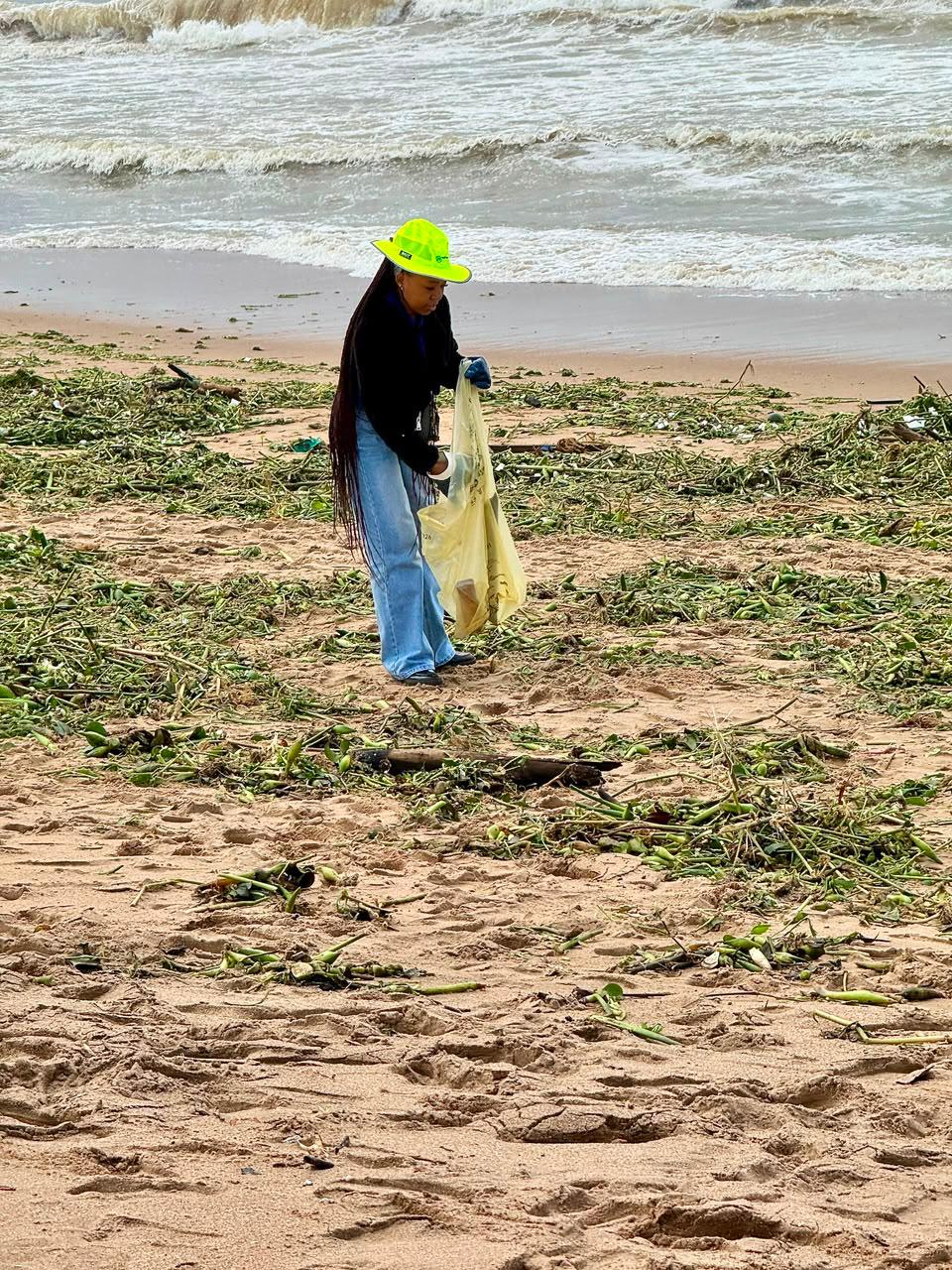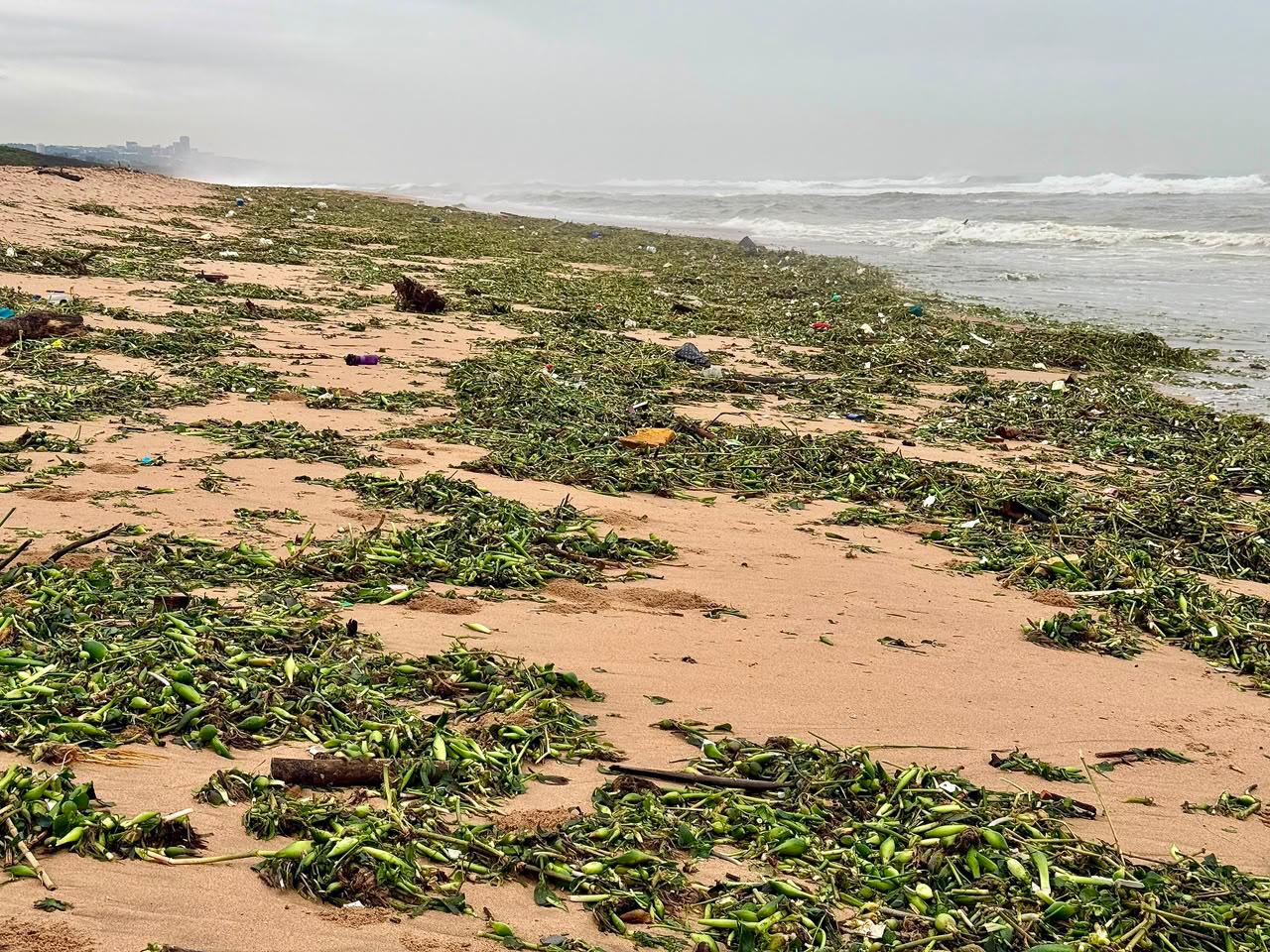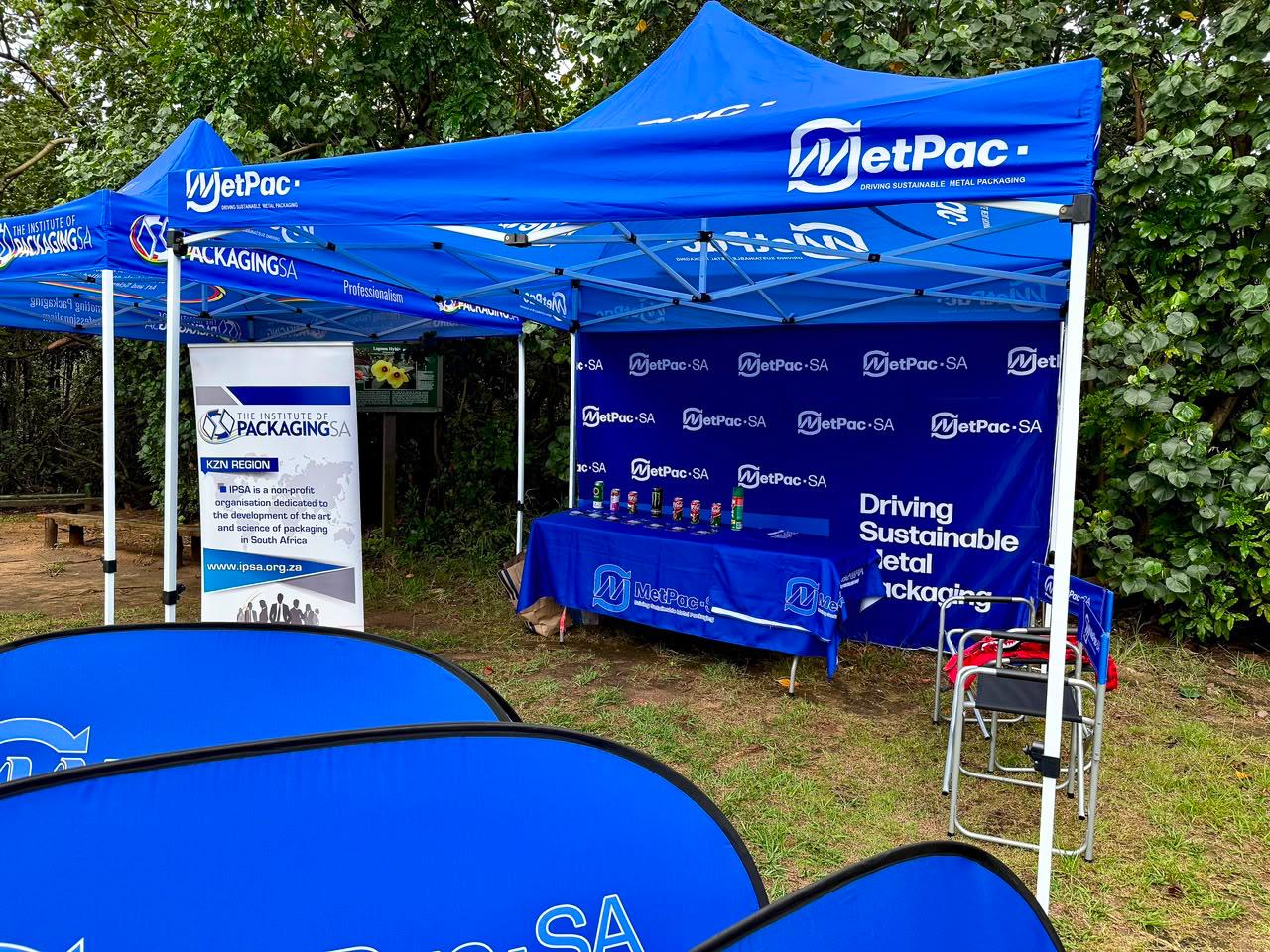
On Saturday, 19 September 2026, environmental champions, academic specialists, government leaders, and around 1,000 enthusiastic school learners from 34 schools gathered at the Beachwood Mangroves Nature Reserve in Durban, South Africa. Under the inspiring theme “Sea the Change,” participants united for the International Coastal Cleanup (ICC) 2026 to take direct action against marine pollution and champion coastal protection. Coordinated globally by the Ocean Conservancy, this flagship initiative went beyond simple litter pick-ups. The event bridged hands-on cleanup efforts with scientific insights, biodiversity education, and strong multi-sector collaboration.
1. Background and Core Purpose
Coastal, estuarine, and mangrove ecosystems—like Durban’s Beachwood Mangroves—are uniquely vulnerable to land-based plastic leakage and environmental pollution. The primary goal of ICC 2026 was to connect immediate local environmental action with broader global imperatives: biodiversity conservation, climate resilience, sustainable waste management, and building eco-conscious communities. Beyond physically removing waste, the event emphasised data collection. Accurately recording waste types and quantities helps environmentalists pinpoint pollution sources and design targeted, long-term waste-prevention strategies.
2. Key Objectives of the Day
The action-packed day aimed to achieve several complementary goals:
- Mobilise Action: Engage volunteers, local communities, and youth in coastal restoration.
- Raise Awareness: Highlight the impacts of marine debris and encourage reduction, reuse, and responsible recycling.
- Promote Environmental Stewardship: Educate youth on the interconnectedness of marine ecosystems—from plankton and algae to sea turtles, dolphins, and sharks.
- Foster Partnerships: Strengthen ties between government bodies, conservation authorities, academic institutions, and industry leaders.
3. Hands-On Action: Cleanup & Data Collection
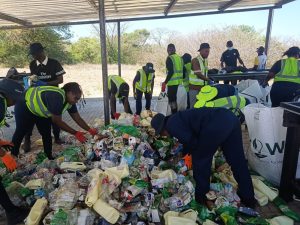
The day kicked off with registration and safety briefings led by the Department of Forestry, Fisheries and the Environment (DFFE). Between 09:00 and 11:00, volunteers rolled up their sleeves under the coordination of the North Durban Honorary Officers. Armed with gloves and refuse bags, participants cleared litter across the reserve. Afterwards, collected waste was brought together to be weighed, categorised, and recorded to fuel future ocean-conservation research and policy.
4. Environmental Learning: Microplastics & Biodiversity
A core feature of the day was its educational outreach, which focused heavily on two critical topics:
- Marine Microplastics & Nanoplastics: Discussions highlighted how larger discarded plastics fragment into microscopic particles (<5 mm<5 mm). These tiny pollutants infiltrate marine food webs—affecting zooplankton, fish, turtles, and seabirds—making early prevention and litter removal crucial.
- Coastal Ecosystem Interconnectedness: Educators emphasised that clean beaches are about more than aesthetics. Protecting organisms like phytoplankton (which generate vital oxygen) and coral reefs safeguards ecological services, food security, and coastal livelihoods.
5. Formal Speaker Highlights & Government Commitments
The formal proceedings featured key scientific and policy insights:
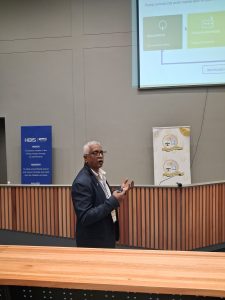
- Academic Insights: Prof. Ursula Scharler (UKZN) addressed the ecological importance of oceans, while Prof. Akash Anandraj (MUT) spoke on the biomedical implications of nanoplastics.
- Policy & Conservation: Dr. Yazeed Peterson (DFFE) discussed strategic coastal management, and Ms. Vuyi Radebe (Ezemvelo KZN Wildlife) highlighted KZN’s conservation initiatives.
- Keynote Address: Hon. Narend Singh, Deputy Minister of Forestry, Fisheries and the Environment, commended the youth for leading the charge. He emphasised the urgent transition toward a circular economy, noting that preventing waste from reaching rivers and oceans is a shared responsibility across individuals, businesses, and government.
6. Power of Partnerships & MetPac-SA’s Role
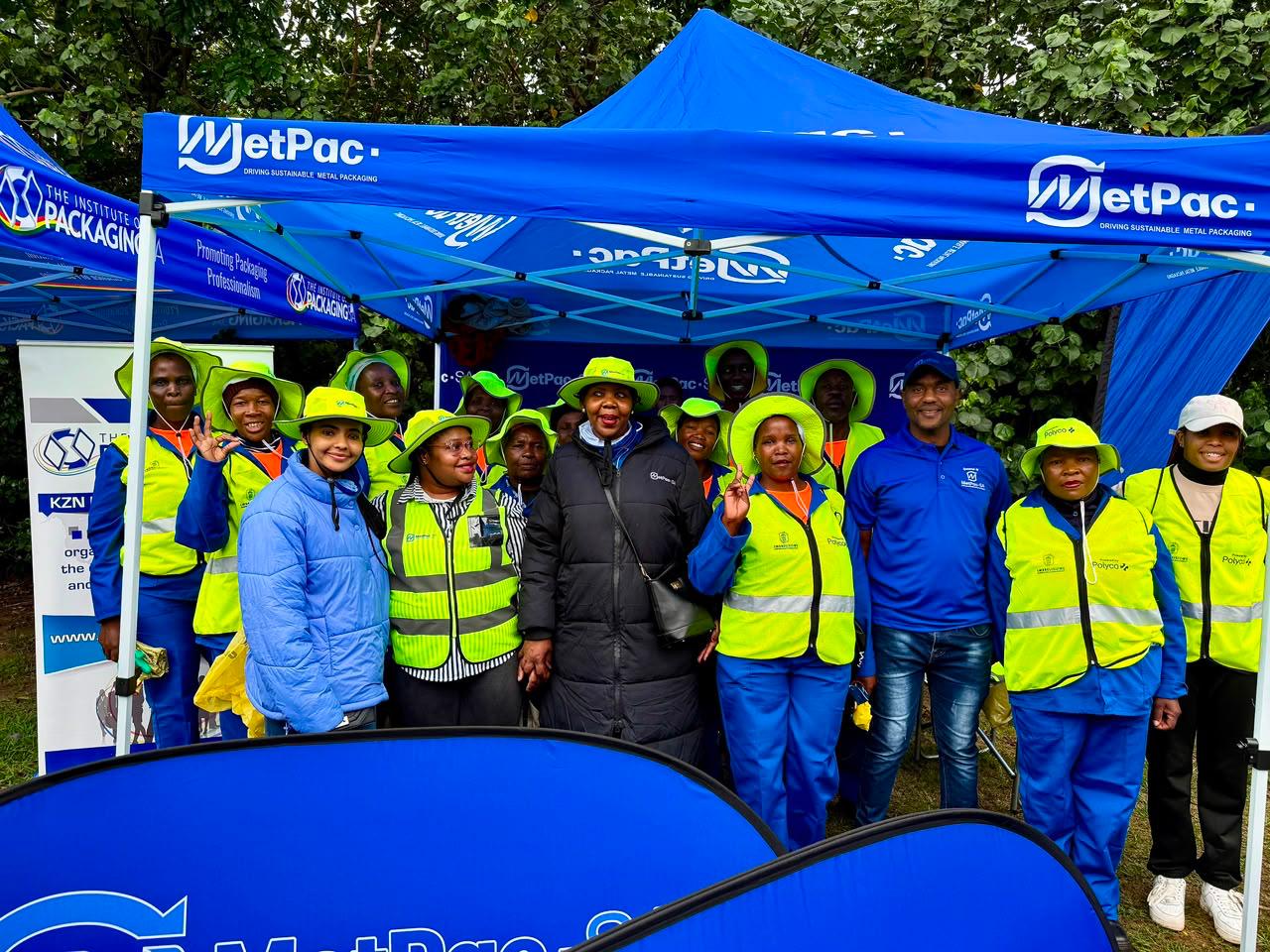
The event exemplified how multi-stakeholder collaboration drives meaningful change. Participating organisations included Oricol Environmental Services, Polyco, Hirt & Carter, Sanitech, Safripol, and various Producer Responsibility Organisations (PROs).MetPac-SA played a central role as an official event partner:
- Provided the public-address system to keep attendees connected throughout the day.
- Sponsored live musical performances by renowned artist Bernard, bringing vibrant energy to the reserve.
- Supported the youth Recycled-Material Fashion Show, where students showcased high creativity by designing wearable fashion entirely from recyclable waste.
7. Looking Ahead: Recommendations & Final Takeaways
To build on the success of ICC 2026, the event report recommends:
- Consolidating Post-Event Data: Publishing a detailed results report tracking total waste mass, recurring litter streams, and hazardous items to monitor annual trends.
- Expanding Youth & School Engagement: Keeping educational institutions at the heart of future environmental stewardship programs.
- Strengthened Circular Partnerships: Deepening cooperation between municipalities, recyclers, producers, and communities to turn awareness into long-term systemic change.
Conclusion
The International Coastal Cleanup 2026 demonstrated that protecting our oceans requires both collective cleanup action and long-term prevention. Through sustainable waste management, education, and shared responsibility, the Durban community showed that when we work together, we can truly “Sea the Change.”