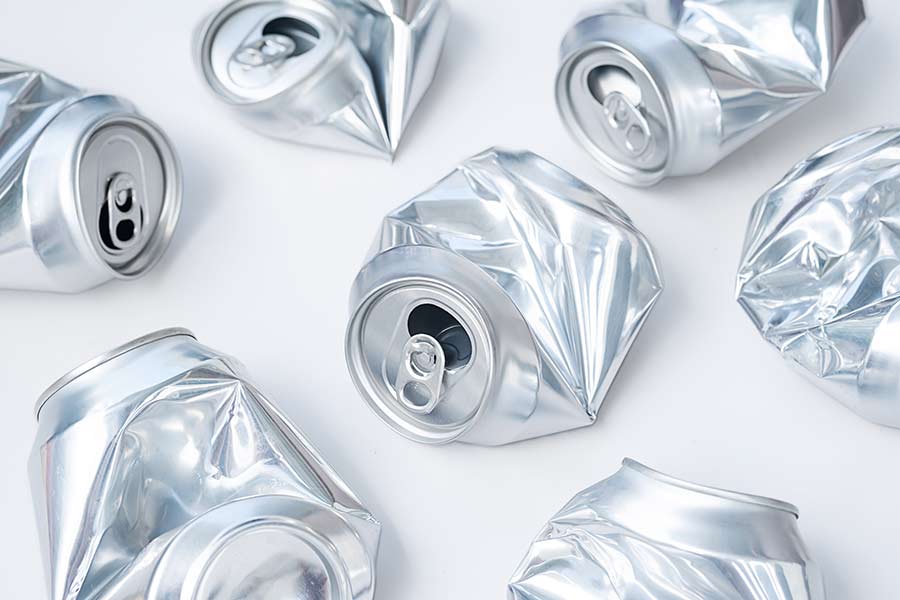
MetPac-SA has completed its first Life Cycle Assessment (LCA) of aluminium beverage cans in South Africa, providing valuable insights into the environmental, circularity and socio-economic benefits of recovering and recycling used beverage cans (UBCs).
Commissioned to support South Africa’s Extended Producer Responsibility (EPR) regulations, the study provides an evidence-based understanding of the environmental impacts associated with aluminium beverage cans, from raw material extraction and manufacturing through to end-of-life management. The assessment places particular emphasis on what happens to aluminium cans after consumption, comparing different recycling and disposal pathways to identify opportunities to reduce environmental impacts, retain valuable materials within the economy and support local employment.
Three important findings from the study
1. South Africa is achieving high collection rates, but opportunities remain to improve circularity.
The study confirms that approximately 88% of used aluminium beverage cans are collected in South Africa, demonstrating the significant contribution of existing collection and recovery systems.
However, collection is only part of the circularity story. Of the cans collected, approximately 20% are recycled back into new beverage cans, while 35% are exported as scrap and the remainder enter other recycling processes.
This highlights an important opportunity to strengthen domestic recycling capacity and retain more aluminium within high-value recycling loops.
2. Not all recycling pathways deliver the same environmental benefits.
One of the study’s most significant findings is that closed-loop recycling, where used beverage cans are recycled into new cans, delivers the greatest environmental benefits among the end-of-life pathways assessed.
Recycling into secondary aluminium ingots for other applications also provides substantial benefits, while processing cans into deoxidiser pellets for steelmaking delivers comparatively lower environmental benefits.
The findings demonstrate that the way aluminium is recycled matters. Keeping aluminium in high-value applications reduces demand for virgin material and preserves its potential for repeated recycling.
The study also identifies virgin aluminium production as a major contributor to the environmental footprint of beverage cans, reinforcing the importance of increasing recycled content and designing packaging for effective recycling.
3. Aluminium can recycling supports South African jobs and livelihoods.
Beyond environmental performance, the assessment highlights the socio-economic value of local aluminium production and recycling. Collecting and recycling cans in South Africa contributes approximately 0.5 additional direct jobs per million cans placed on the market, with significantly greater livelihood opportunities when informal waste collectors are included.These findings reinforce the importance of recognising and supporting the collection and recycling value chain, particularly the informal sector, which plays a critical role in recovering valuable materials.
Turning evidence into action
The LCA provides an important foundation for future industry decisions. Its findings point towards three priorities: increasing recycled aluminium content, improving packaging design for recyclability and strengthening high-value recycling systems within South Africa. For producers, recyclers, policymakers and other stakeholders, the study offers practical evidence to inform investment, collaboration and improvements across the aluminium packaging value chain.
Making the findings publicly available
MetPac-SA is committed to transparency, knowledge-sharing and supporting the transition towards a more circular metal packaging sector. Both the full technical LCA report and a summary report are available below, enabling industry stakeholders, government, researchers and the wider public to explore the findings and recommendations. The publication of these reports represents an important step towards evidence-based decision-making and continued collaboration to maximise the environmental and socio-economic value of aluminium beverage cans in South Africa.
The message is clear: collecting aluminium cans is important, but keeping that aluminium circulating at its highest possible value is where even greater opportunities lie.